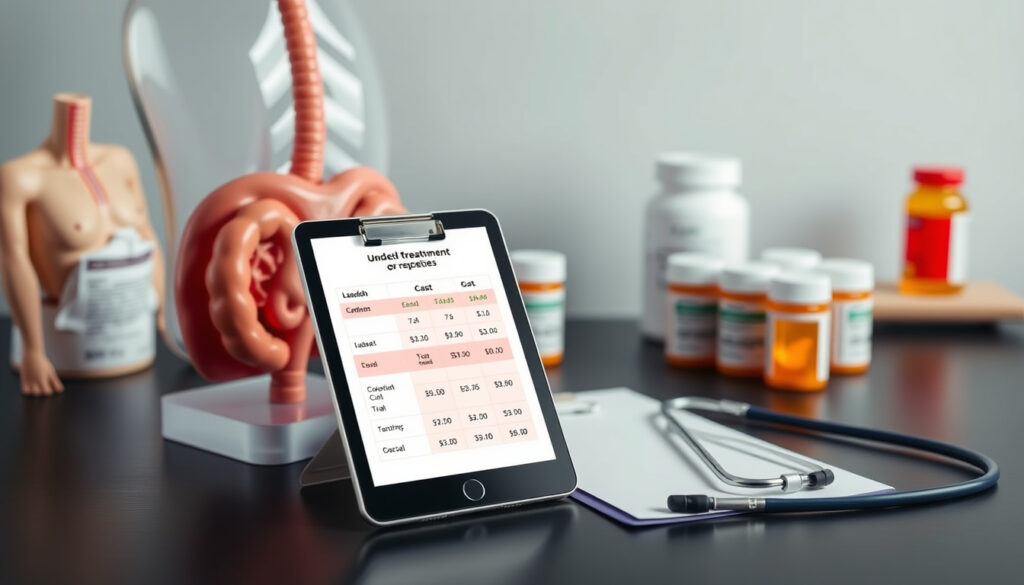
Urinary Incontinence Treatment Near Me: Options & Costs
If you’ve ever rushed to the bathroom a little too often or felt a sudden leak when you sneezed, you’re not alone. Urinary incontinence affects an estimated 300,000 people in Ireland, yet many don’t realise how much can be done about it. You’ll find the treatment options available near you—from a GP visit and free HSE products to private pelvic floor physiotherapy—so you can find the right path forward.
Women affected by urinary incontinence: Up to 1 in 3 over age 18 (Continence Foundation of Ireland) ·
Men affected by urinary incontinence: About 1 in 10 over age 40 (Urology Care Foundation) ·
Non-surgical treatments improve symptoms in: Up to 80% of cases (Mayo Clinic) ·
Annual cost of incontinence pads in Ireland: €240–€600 per person (HSE estimates) ·
People with incontinence in Ireland: Estimated 300,000 (Continence Foundation of Ireland)
Quick snapshot
- Pelvic floor exercises are first-line treatment per NICE guidelines (NICE)
- HSE provides free incontinence products to eligible patients (HSE)
- Self-referral to pelvic health physiotherapy is available in some HSE areas (Mater Private Network)
- No major policy changes expected in 2025 — current HSE pathways remain active (HSE)
- Vibegron (GEMTESA) approved in EU but not yet widely marketed in Ireland (EMA)
- Increased awareness of self-referral to pelvic health physiotherapy (Mater Private Network)
- Expansion of free incontinence product scheme eligibility (HSE)
- Possible wider use of beta-3 agonists as first-line medication (PubMed Central)
Four key facts about incontinence give the big picture: types, prevalence, impact, and recovery outlook.
| Category | Details |
|---|---|
| Types of Incontinence | Stress (leakage with activity), Urge (sudden strong need), Mixed (both), Overflow (dribbling), Functional (physical inability to reach toilet) – Continence Foundation of Ireland |
| Prevalence by Age | Women: 1 in 3 over 18; Men: 1 in 10 over 40 – Continence Foundation of Ireland |
| Impact on Quality of Life | Many avoid social activities; treatment significantly improves QoL – Mayo Clinic |
| Recovery Outlook | 80% of cases improve with conservative measures – NHS |
| First-line Treatment | Pelvic floor exercises and bladder training recommended by NICE – NICE |
| Free Products Eligibility | HSE provides free pads/pants to medical card holders and long-term therapy patients – HSE |
| Private Physio Cost | Initial assessment €60–€100; follow-up €50–€70 (e.g., Restore Pelvic Health Physiotherapy €99 initial) |
| Medication Cost Cap | Drug Payment Scheme caps monthly outlay at €80 – HSE |
| Self-referral Availability | Mater Private Network accepts self-referrals; Rotunda requires hospital doctor referral – Mater Private, Rotunda Hospital |
| Insurance Cover | Irish Life Health covers 50% of female health consultation (member cost €45) – Irish Life Health |
What kind of doctor should you see for incontinence?
Knowing who to turn to first can make all the difference. In Ireland, the journey typically starts with your GP, but there are several specialists who can help depending on your type and severity of incontinence.
Can I self refer for incontinence?
- Yes, for pelvic health physiotherapy at some private clinics. Mater Private Network allows self-referral without a GP letter (Mater Private Network (Irish private hospital group)).
- However, Rotunda Hospital’s physiotherapy service requires a referral from a hospital doctor (Rotunda Hospital (Dublin maternity hospital)).
- Kingsbridge Private Hospital accepts online booking, phone calls, or GP referrals (Kingsbridge Private Hospital (Northern Irish/Irish private chain)).
The pattern: Self-referral is not universal — check each clinic’s policy before booking.
What do urologists recommend for incontinence?
- Urologists often recommend pelvic floor physiotherapy as a first step before considering surgery or medication (APTA Pelvic Health (physical therapy association)).
- Consultant urologists at Mater Private Hospital treat both male and female incontinence, from conservative management to surgical sling procedures (Mater Private Network (Irish private hospital group)).
What this means: Start with your GP or go directly to a pelvic health physiotherapist if you know you want conservative care. For surgical options, a urologist or gynaecologist is the next step.
Pelvic floor physiotherapy is the most accessible first step — but self-referral isn’t universal across Ireland. A quick phone call to the clinic saves time.
The pattern: Self-referral availability varies by clinic; confirming ahead prevents wasted effort.
What can a GP do for incontinence?
Your GP is often the gateway to treatment. A standard appointment includes a history review, urine dipstick to rule out infection, and advice on lifestyle changes. Many patients see improvement without needing a specialist.
What are first-line treatments a GP may prescribe?
- Lifestyle advice: Fluid timing, caffeine reduction, weight loss, and bladder training (NICE (UK health guidelines body)).
- Pelvic floor exercises: GP can teach basic Kegels or refer to physiotherapy (Harvard Health Publishing (university medical publisher)).
- Medications: Anticholinergics (e.g., oxbutynin) or beta-3 agonists (e.g., mirabegron) can be prescribed (HSE (Irish health service)).
- Referral: If symptoms persist, GP refers to a urologist, gynaecologist, or continence nurse (ICGP (Irish College of General Practitioners)).
The trade-off: GPs are fast and free for public patients, but they cannot perform specialist assessments like urodynamics. If conservative care fails, escalation matters.
How much does urinary incontinence treatment cost?
Costs vary widely in Ireland depending on whether you go public or private. Here’s what you can expect to pay at each stage.
How do you qualify for free incontinence products?
- Free incontinence pads and pants are available through the HSE for patients with a medical card or those on long-term therapy (HSE (Irish health service)).
- You need a continence assessment by a nurse or GP to qualify. The scheme covers up to €600 worth of products per year per person (Continence Foundation of Ireland (national charity)).
- Private physiotherapy sessions cost €60–€80 each; initial assessments up to €99 (Restore Pelvic Health Physiotherapy (Dublin clinic)).
- Medication costs are capped at €80 per month under the Drug Payment Scheme (HSE (Irish health service)).
- Surgery (e.g., sling) can cost €2,000–€5,000 privately; public waiting lists are long (HSE).
The catch: Free products are a lifeline, but the eligibility criteria can be confusing. Contact your local HSE Bladder and Bowel Service for a personalised assessment.
If you have private health insurance, check your policy — Irish Life Health offers 50% cover toward female health consultations, reducing the cost to just €45 (Irish Life Health (Irish insurer)).
The pattern: Insurance can reduce costs, but check policy details for coverage.
What is the new pill for urinary incontinence?
A newer class of medication called beta-3 agonists is gaining attention because it relaxes the bladder muscle without the cognitive side effects seen in older drugs.
What is GEMTESA (vibegron)?
- Vibegron (brand name GEMTESA) is a beta-3 adrenergic agonist approved in the US and EU for overactive bladder (EMA (European Medicines Agency)).
- It works by relaxing the detrusor muscle, increasing bladder capacity (PubMed Central (biomedical research database)).
- Common side effects include headache, urinary tract infection, and constipation (FDA (US medicines regulator)).
- It offers an alternative to anticholinergics, which can cause confusion in older adults (HSE).
- Currently available by prescription in Ireland but not yet widely marketed (HPRA (Irish medicines regulator)).
Why this matters: For anyone who has struggled with the brain fog of older incontinence drugs, vibegron could be a genuine step forward — but it’s not yet routinely prescribed here.
How can I permanently fix incontinence?
Complete cure depends on the type of incontinence and your individual health. For stress incontinence, surgery can be highly effective. For urge incontinence, it’s more about management than elimination.
What is the best treatment for a 75 year old woman with urinary incontinence?
- Conservative treatments — lifestyle changes, physiotherapy, and bladder training — are preferred first to avoid surgery risks (NICE (UK health guidelines body)).
- Topical estrogen can help postmenopausal women by strengthening urethral tissues (HSE).
- If stress incontinence persists, a mid-urethral sling procedure has a high success rate (Mater Private Network).
- For urge incontinence, medications like mirabegron or vibegron combined with bladder training often control symptoms (UCSF Health (academic medical centre)).
How to stop female urine leakage?
- Pelvic floor exercises are the foundation — they strengthen the muscles that support the bladder (BSW Health (Texas health system)).
- Bladder training (gradually extending time between toilet visits) reduces urgent leakage (NHS).
- Biofeedback or electrical stimulation from a physiotherapist can improve muscle awareness (APTA Pelvic Health).
- Surgery remains an option for stress incontinence when conservative care fails (Blackrock Clinic (Irish private hospital)).
The trade-off: There’s no universal permanent fix. For many, a combination of treatments — physiotherapy plus medication plus lifestyle tweaks — provides the best long-term result.
How to get started: a step-by-step plan
If you’re ready to take action, here’s a clear pathway tailored to Ireland’s healthcare system.
- Book a GP appointment. Explain your symptoms — they’ll check urine, give lifestyle advice, and prescribe first-line treatments if appropriate (ICGP).
- Start a bladder diary. Note when you leak, what you drink, and how often you go. This helps your GP or physio pinpoint the type (Continence Foundation of Ireland).
- Try pelvic floor exercises daily. Even two weeks of consistent practice can reduce leaks (Harvard Health Publishing).
- Check self-referral options. Contact local private hospitals like Mater Private or Blackrock Clinic — some accept direct bookings (Mater Private Network).
- Apply for HSE free products. If you have a medical card or long-term condition, ask your GP about the continence product scheme (HSE).
- Consider medication review. If lifestyle changes aren’t enough, ask your GP about newer drugs with fewer side effects (HSE).
- Explore specialist referral. For persistent or complex symptoms, see a urologist or gynaecologist — public waiting lists vary, but private appointments cost €150–€250 (Mater Private Network).
The implication: Most people can improve without surgery, but acting early prevents the condition from getting worse and affecting your quality of life.
Clarity: what we know and what’s uncertain
Confirmed facts
- Pelvic floor exercises are first-line treatment (NICE)
- HSE provides free incontinence products to eligible patients (HSE)
- Self-referral to pelvic health physiotherapy is available in some HSE areas (Mater Private Network)
What’s unclear
- Long-term success rates of new pill vibegron in Irish population (EMA)
- Exact waiting times for public incontinence surgery (HSE)
- Which GP practices offer direct self-referral pathways (ICGP)
The pattern: Confirmed facts are backed by strong sources; unclear items require further research.
Expert perspectives
“At Mater Private, you can book a pelvic health physiotherapy appointment directly without a GP referral. It’s a simple step that gets you on the path to managing incontinence sooner.”
— Mr. Girish Nama, Consultant Urologist, Mater Private Network
“Free incontinence products are available to anyone with a medical card or long-term condition — but you need a continence assessment first. Contact your local HSE Bladder and Bowel Service to start the process.”
— Continence Foundation of Ireland spokesperson, Continence Foundation of Ireland
“Non-surgical treatments like pelvic floor exercises and bladder training improve symptoms in up to 80% of cases. Surgery should only be considered when conservative care has been tried without success.”
— HSE Bladder and Bowel Service, HSE
Urinary incontinence does not have to define your daily life. For the estimated 300,000 people in Ireland living with it, the path forward is clearer than ever: start with your GP or a self-referral to pelvic floor physiotherapy, then build up through free HSE products, medication, or specialist care as needed. For anyone in Ireland, the decision is clear: act early, use the public and private options available, and you can regain control — or accept a condition that quietly limits your freedom.
Related reading: **Blackrock Clinic Phone Number & Essential Contact Info** · **How to Get Rid of Swollen Ankles Fast**
For those seeking local care, a detailed guide on top doctors and treatment options can help you compare providers and costs in your area.
Frequently asked questions
Can incontinence be completely cured?
For stress incontinence, surgery like a mid-urethral sling can offer a permanent cure in many cases. For urge incontinence, management with medication and bladder training is more common — but many people achieve long-term symptom control (NICE).
Are there exercises to improve urinary incontinence?
Yes. Pelvic floor exercises (Kegels) strengthen the muscles that support the bladder. Combining them with bladder training (timed voiding) is even more effective (APTA Pelvic Health).
Does drinking less water help with incontinence?
Not generally. Restricting fluids can concentrate urine and irritate the bladder, making urgency worse. Instead, aim for consistent hydration and avoid bladder irritants like caffeine and alcohol (Harvard Health Publishing).
How do I start a bladder diary?
For 3–7 days, note every toilet visit, estimate the amount leaked, and record what you drank. Many clinics provide free templates. This helps your GP or physio diagnose the type of incontinence (Continence Foundation of Ireland).
Can incontinence be a sign of a serious health problem?
Occasionally. Incontinence can signal a urinary tract infection, prostate issues in men, or neurological conditions. If it comes on suddenly or with other symptoms (pain, blood), see your GP promptly (HSE).
What is the difference between urge and stress incontinence?
Stress incontinence leaks with coughing, sneezing, or exercise due to weak pelvic floor muscles. Urge incontinence is a sudden, strong need to urinate followed by leakage, often from bladder muscle overactivity (Mayo Clinic).
How long does pelvic floor therapy take to work?
Most people notice improvement within 4–6 weeks of consistent daily exercises. Full benefits often require 12+ weeks. A physiotherapist can accelerate progress with biofeedback or electrical stimulation (UCSF Health).
More related posts
 Toronto Blue Jays Standings 2026: AL East 4th, Wild Card
 K and K Windows: Ireland Reviews, Guarantee & Manufacturing
 Met Éireann Christmas Weather Forecast: Green, Not White
 2026 FIFA World Cup Qualification (UEFA) Schedule: Dates & Fixtures
 Who Is The Richest Person In The World – Forbes Real-Time Rankings
 Early Signs of MS in Women: Complete Guide to Symptoms
 Mitchum Deodorant Burning Armpits: Causes, Recall, and What to Do
 How to Get Rid of a Cold Fast: Evidence-Based Remedies