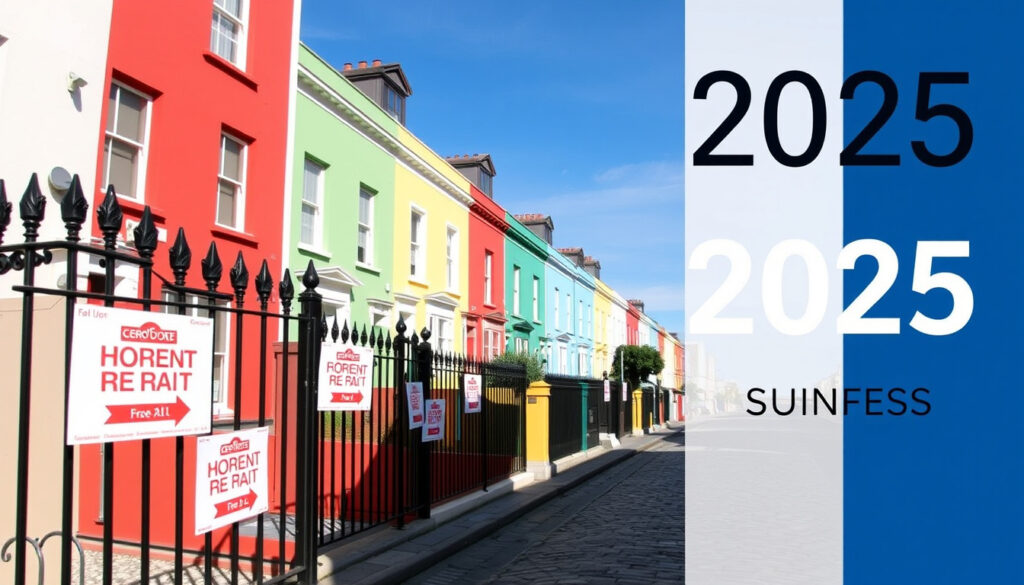
Houses for Rent Dublin – Prices, Areas, Sites & 2025 Guide
Dublin’s rental market remains one of the most competitive in Ireland, with demand consistently outstripping supply across most neighbourhoods. For those searching for houses for rent in Dublin, understanding current pricing, available platforms, and the steps involved in securing a tenancy can make the difference between weeks of frustration and a smooth move.
The city offers a range of housing options, from compact city-centre properties to spacious family homes in suburban areas. However, rental prices vary significantly depending on location, property type, and proximity to public transport. This guide provides a practical overview of the Dublin rental landscape, drawing on the latest market data and established sources.
Whether you are relocating from abroad, moving out of shared accommodation, or seeking more space for a growing family, the information below covers the essential factors to consider when renting a house in Ireland’s capital.
Where to Find Houses for Rent in Dublin
Several established platforms serve as the primary channels for rental listings in Dublin. Daft.ie remains the dominant player, hosting the largest volume of properties and attracting the most active search traffic. MyHome.ie functions as a secondary platform with daily updates and virtual tour options. Both sites allow users to filter by bedroom count, price range, and specific neighbourhoods.
€2,800/pm
Daft.ie, MyHome.ie
Dublin 6, 8
+5% YoY
Key insights for Dublin renters:
- New tenancies in Dublin averaged €2,177 per month in Q4 2024, according to the RTB Rent Index
- Rents have roughly doubled since 2012, with Dublin consistently recording the highest prices nationally
- Rent pressure zones limit annual increases to inflation plus 2% where applicable
- Suburban areas like Fingal and South Dublin tend to offer better value than city centre locations
- Most landlords require one month’s rent deposit plus one month’s advance payment
- Properties in popular areas can receive dozens of enquiries within hours of listing
- Setting up instant alerts on listing platforms is essential for competitive searches
Average Dublin House Rents by Size and Area
| Bedrooms | Avg Rent (€/month) | Popular Areas |
|---|---|---|
| 1-Bed | €1,800 | City Centre |
| 2-Bed | €2,300 | Dublin 4 |
| 3-Bed | €2,800 | Dublin 6W |
| 4+ Bed | €3,500 | South Dublin |
| Studio | €1,500 | Dublin 1, 2 |
The figures above reflect approximate averages based on available market data. Actual prices fluctuate depending on property condition, furnishings, and local demand at the time of viewing.
Average Rental Prices for Houses in Dublin
Understanding rental pricing requires distinguishing between new and existing tenancies, as well as considering the specific local electoral area. The Residential Tenancies Board publishes quarterly rent indices that provide standardised averages across Dublin’s administrative areas.
Current Market Figures (Q4 2024)
In Q4 2024, standardised average rent for new tenancies across Dublin stood at €2,177 per month, while existing tenancies averaged €1,865 per month. This gap reflects the premium landlords command when reletting properties after a change of tenancy.
Open-market rents averaged €2,476 monthly by Q3 2024, representing a 5.2% year-on-year increase according to Irish Times reporting on market acceleration. The rate of inflation has moderated slightly from the 6.3% recorded in Q1 2024, as documented by the ESRI quarterly review.
Prices by Dublin Council Area
| Area | Avg New Tenancy Rent (€/month) |
|---|---|
| Dublin County Overall | 2,177 |
| Dún Laoghaire-Rathdown | 2,456 |
| South Dublin County Council | 2,186 |
| Dublin City Council | 2,120 |
| Fingal | 2,107 |
| Stillorgan (Local Electoral Area) | 2,708 |
Source: RTB Rent Index Q4 2024
When calculating total housing costs, add approximately €200 or more per month for utilities on top of the advertised rent. This brings a realistic budget for a typical Dublin rental closer to €2,400–€3,200 monthly depending on area and property size.
Best Areas for Renting Houses in Dublin
Selecting the right neighbourhood depends on factors including budget, commute requirements, family needs, and lifestyle preferences. Each Dublin area presents a distinct combination of price, amenities, and accessibility.
Family-Friendly Neighbourhoods
Suburban areas consistently attract families seeking larger properties at relatively lower costs. Fingal, encompassing parts of north county Dublin, recorded the lowest standardised average rent at €2,107 per month in Q4 2024. South Dublin County Council areas similarly offer more space per euro compared to city centre locations.
Neighbourhoods such as Swords, Blanchardstown, and Rathfarnham provide access to schools, parks, and family amenities while maintaining more manageable rental prices. The average 3-bed house in these areas typically ranges between €1,800 and €2,400 monthly, according to market analysis sources.
City Centre and Prime Locations
Dublin city centre commands the highest rents, with Dublin 6 recording particularly strong demand. Dublin 2 and Dublin 1 offer smaller properties at premium rates, suitable for young professionals prioritising location over space.
Stillorgan local electoral area recorded the highest standardised average rent in Q4 2024 at €2,708 per month, reflecting its desirability and proximity to quality schools and transport links.
Value Opportunities
For those willing to compromise on centrality, Fingal and outer South Dublin areas consistently offer better value. These areas benefit from ongoing infrastructure development and improved public transport connections, making them increasingly attractive to commuters.
The price difference between Fingal (€2,107) and Stillorgan (€2,708) amounts to roughly €600 per month for comparable property types. Over a year, this represents a saving of over €7,000, making area selection one of the most significant factors in managing rental costs.
How to Rent a House in Dublin: Step-by-Step
The rental process in Dublin follows a relatively standardised sequence, though competition varies by area and property type. Understanding each stage helps applicants present themselves effectively to landlords.
Step 1: Search and Shortlist
Begin by registering on Daft.ie and MyHome.ie to receive alerts matching your criteria. Search parameters should include maximum budget, minimum bedrooms, preferred areas, and any specific requirements such as pet-friendliness or parking availability.
Step 2: View Properties and Apply
Schedule viewings promptly, as desirable properties often receive multiple applications within days. Prepare supporting documentation in advance: recent payslips, employment references, previous landlord references, and proof of identity. Applications with complete documentation receive priority consideration.
Step 3: Sign the Tenancy Agreement
Once approved, you will sign a tenancy agreement drafted in accordance with Residential Tenancies Board regulations. Review the terms carefully, noting the rent amount, lease duration, and any conditions regarding pets or modifications.
Step 4: Pay Initial Costs
Standard practice requires payment of one month’s rent deposit plus one month’s advance rent before taking occupancy. No-deposit arrangements are rare and typically available only to applicants with exceptional references or long-term rental histories.
Step 5: Register with the RTB
Both landlords and tenants must register the tenancy with the Residential Tenancies Board within one month of the tenancy commencement date. This registration creates a formal record and provides access to dispute resolution services if needed.
Always verify that your landlord is registered with the RTB before signing any agreement. Unregistered tenancies leave tenants without the legal protections afforded under Irish rental law, including rent pressure zone limits and proper dispute resolution pathways.
Houses for Rent in Dublin: Special Features
Certain rental requirements introduce additional complexity to the Dublin market. Specific needs such as pet accommodation, flexible deposit arrangements, or budget constraints require targeted searching and sometimes patience.
Pet-Friendly Rentals
Properties explicitly welcoming pets remain relatively scarce in Dublin. Most landlords include pet restrictions in tenancy agreements, though Irish law requires landlords to consider reasonable requests to keep pets. Searching with explicit filters on listing platforms and contacting agents directly about pet policies increases the chances of finding suitable accommodation.
Houses with gardens or dedicated outdoor space are more likely to accept pets than apartments or units in multi-unit buildings.
No-Deposit Options
Traditional deposits equal to one month’s rent remain the norm in Dublin. While some platforms and property managers have experimented with alternative arrangements, these are uncommon and typically come with additional conditions or higher monthly costs.
Tenants should budget for the standard initial payment covering deposit and first month’s rent, plus any advance payments required by the specific landlord.
Affordable Rentals Under €2,000
Houses at this price point typically require compromises on location, size, or condition. Options may include older properties in less fashionable areas, properties requiring modernisation, or homes further from public transport routes.
Flats and apartments generally offer lower entry prices than houses, though shared accommodation arrangements may be necessary to meet tight budgets. Fingal and outer suburban areas consistently provide the best selection of properties under €2,000 per month.
When comparing properties, consider the total monthly cost including utilities (typically €200+ monthly) and transport expenses. A property that appears cheaper but requires a lengthy commute or significant heating costs may prove more expensive overall than a more centrally located alternative.
Dublin Rental Market Timeline
Dublin’s rental market has undergone significant transformation over the past decade. Tracking the progression of prices and policy changes provides context for current conditions.
- 2012: Rents at historic low point following the property market crash, with Dublin averaging below €1,000 monthly for many property types
- 2015: Recovery begins as employment improves and demand from returning emigrants and international workers increases
- 2019: Average Dublin rents approach 2007 peaks, triggering renewed policy concern about affordability
- 2020: Pandemic temporarily slows rental growth, with some areas seeing price reductions
- 2021: Market recovers strongly as restrictions ease and demand surges
- 2022: Rents increase approximately 20% year-on-year as supply fails to keep pace
- 2024: Dublin new tenancies reach €2,177 average in Q4, representing roughly double 2012 levels
- 2025: Market shows signs of moderation, with year-on-year increases in Dublin slowing to 4.6%
Source: Statista Irish rental data and residential rent indices
What We Know and What Remains Unclear
Certain aspects of Dublin’s rental market are well-documented, while others remain subject to fluctuation and uncertainty.
| Established Information | Information That Remains Unclear |
|---|---|
| Dublin has the highest average rents nationally | Weekly availability of specific property types |
| Rents have roughly doubled since 2012 | Exact timing of market stabilisation |
| RPZ regulations cap increases at inflation + 2% | Impact of future housing policy changes |
| New tenancies command premiums over existing | How landlord registration trends affect supply |
| Suburban areas offer better value than city centre | Regional variation in pet-friendly availability |
Understanding Dublin’s Rental Landscape
Dublin’s position as Ireland’s economic hub creates persistent demand for rental housing. The concentration of employment in sectors including technology, pharmaceuticals, financial services, and public administration draws workers from across Ireland and internationally.
Housing supply has struggled to keep pace with this demand. While apartment construction has increased in recent years, the transition from planning to delivery takes years, and the mix of new units does not always align with family housing needs. The CSO property price index documents the broader residential market dynamics affecting both sales and rentals.
For prospective tenants, this environment means acting decisively when suitable properties appear, maintaining realistic expectations about prices and locations, and understanding that patience may be required to find accommodation matching all criteria.
Sources and Expert Guidance
The following resources provide authoritative information on Dublin’s rental market and tenant rights:
The Residential Tenancies Board publishes quarterly rent indices providing standardised average rents across Dublin’s local electoral areas and administrative zones. These figures represent the most comprehensive official data available on current market conditions.
RTB Rent Index, Q4 2024
Rent inflation in Dublin accelerated through 2024 as the apartment construction boom showed signs of ending, with open-market rents reaching €2,476 monthly by Q3, up 5.2% year-on-year.
Irish Times Business, November 2024
Threshold’s tenant advice service provides guidance on rights, dispute resolution, and best practices for renters navigating the Irish rental market.
Threshold Ireland
Key Takeaways
Dublin’s rental market requires realistic budgeting, proactive searching, and quick decision-making. Average rents for houses range from approximately €1,800 for smaller properties in suburban areas to over €3,500 for larger homes in premium locations. New tenancies consistently command higher prices than existing ones.
Suburban areas like Fingal offer the best value, while central Dublin commands the highest premiums. Pet-friendly properties require explicit searching, and no-deposit arrangements remain uncommon. For more context on related topics, see the Office Shoes Ireland Online guide or The Zip Yard Price List.
Frequently Asked Questions
Are there cheap houses for rent in Dublin?
True affordability depends on location and size. Properties under €2,000 monthly exist primarily in Fingal and outer suburban areas, or in older buildings requiring compromise on condition or amenities.
Pet friendly houses for rent in Dublin?
Pet-friendly rentals are less common but available. Houses with gardens improve the likelihood of acceptance. Explicitly search using pet filters and communicate with landlords directly about pet policies.
Houses for rent in Dublin no deposit?
Standard deposits equal to one month’s rent remain the norm. No-deposit arrangements are rare and typically come with conditions or alternative fee structures.
Current rental prices for houses in Dublin?
In Q4 2024, standardised average rent for new tenancies was €2,177 monthly across Dublin. Individual properties range from approximately €1,500 for studios to over €3,500 for 4+ bedroom homes in premium areas.
What websites list houses for rent in Dublin?
Daft.ie and MyHome.ie are the primary platforms, with daily updates and extensive filtering options. Additional platforms include Rent.ie and property-specific agency sites.
How much does it cost to rent a 3 bedroom house in Dublin?
Three-bedroom houses typically range from €2,200 to €2,800 monthly depending on area and condition. Nationally, 3-bed houses averaged €2,453 for new tenancies in Q4 2024.
Best areas for families renting in Dublin?
Fingal, South Dublin, and suburban areas like Rathfarnham and Swords offer more space and family amenities at relatively lower costs compared to city centre locations.
More related posts
 177cm in Feet and Inches – Conversion and Height Guide
 Best Movies to Watch Now: Netflix Top 10 & Free Streams
 High Blood Sugar Symptoms: Signs, Risks & Quick Action
 Arc de Triomphe Race: Daryz 2025 Results & 2026 Dates
 Bank of Ireland Clonmel: branch details, contacts & FAQs
 What Happened to Diogo Jota? Crash Kills Liverpool Star
 Galway Lawn Tennis Club: Courts, Lessons & Membership