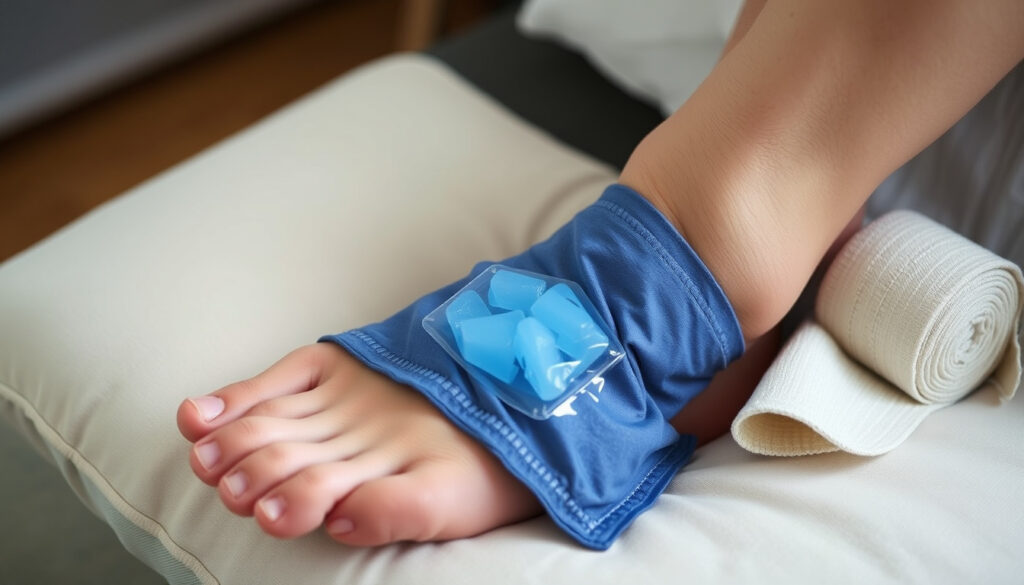
How to Get Rid of Swollen Ankles Fast
You step off a long flight or finish a day on your feet, and suddenly your ankles look like they belong to someone else. That puffiness—edema—is your body’s way of holding onto fluid. In most cases it’s harmless and temporary, but knowing how to get rid of swollen ankles fast can save you discomfort and worry.
We’ll walk you through the fastest home remedies, the foods and drinks that make a difference, and the red flags that warrant a call to your doctor.
Prevalence: One-third of people over 60 experience lower extremity edema. ·
Key cause: Prolonged standing or sitting triggers fluid pooling in ankles. ·
Standard first aid: Elevating feet above heart level is the fastest home remedy.
Quick snapshot
- Prolonged standing or sitting (British Heart Foundation)
- Pregnancy (British Heart Foundation)
- Medication side effects (British Heart Foundation)
- Underlying heart, kidney, or liver disease (British Heart Foundation)
- Effectiveness of magnesium supplements for edema
- Whether vitamin B6 alone resolves swelling
- Role of specific foods (e.g., parsley) as diuretics
- Mild edema often resolves within hours of elevation (Mayo Clinic)
- Chronic swelling may require days to weeks of consistent compression (Mayo Clinic)
- Try elevation and compression at home first
- If swelling persists or is one-sided, seek medical evaluation
Six key facts about ankle swelling, one pattern: most cases respond to simple mechanical interventions, but persistent or one-sided swelling demands a doctor’s look.
| Fact | Value |
|---|---|
| Definition | Swollen ankles (edema) is fluid buildup in the lower extremities. |
| Common cause | Gravity pulling fluid down during prolonged sitting or standing (British Heart Foundation). |
| Red flag | Sudden, one-sided swelling may indicate deep vein thrombosis. |
| Quick relief | Elevation and compression are the fastest at-home methods (Mayo Clinic). |
| Diet link | High salt intake directly contributes to fluid retention (GoodRx). |
| Treatment approach | Nonprescription care = raise the limb + wear compression garments (Mayo Clinic). |
What is the number one cause of swollen ankles?
Common risk factors for edema
Mayo Clinic (top-ranked U.S. medical center) explains that edema itself is not a disease but a symptom of fluid trapped in your body’s tissues. The most frequent trigger is gravity: when you sit or stand for hours, blood and fluid pool in your lower legs. Other common causes include pregnancy, medications (like blood pressure drugs), and underlying conditions such as heart failure, kidney disease, or liver cirrhosis.
When swollen ankles signal a bigger problem
One-sided swelling that comes on suddenly is a red flag for deep vein thrombosis (DVT). The British Heart Foundation (leading cardiovascular charity) advises seeking urgent medical help if your ankle swelling is accompanied by shortness of breath, chest pain, or skin that feels warm and tender. Bilateral swelling that doesn’t improve with elevation could point to heart, kidney, or liver issues.
What drink reduces swollen ankles?
How proper hydration helps reduce fluid retention
Drinking enough water supports your kidneys in flushing out excess sodium, which in turn helps reduce fluid retention. Healthline (health information publisher) lists staying hydrated among the top home remedies for swollen feet and ankles. Aim for 8–10 glasses a day unless your doctor advises otherwise.
Does drinking more water actually help?
Yes, but only if you’re already dehydrated. GoodRx (drug pricing and health information platform) notes that while hydration is a standard recommendation, overhydration won’t flush out extra fluid faster. The body carefully balances its fluid levels, so the key is consistent, adequate intake rather than chugging water when swelling appears.
Caffeine and alcohol: drinks that may worsen swelling
Caffeine and alcohol are mild diuretics, meaning they make you urinate more. However, they can also lead to dehydration, which may trigger your body to hold onto fluid. Healthline recommends limiting both when you’re trying to reduce edema, as dehydration can paradoxically worsen swelling.
A glass of water beats a cup of coffee when your ankles are puffy. Diuretics don’t drain edema—they just risk dehydrating you.
What not to eat if you have swollen feet?
High-sodium foods to avoid
Excess sodium makes your body retain water. GoodRx identifies reducing salt intake as a core strategy for managing edema. Processed meats, canned soups, fast food, and salty snacks are the biggest culprits. The American Heart Association recommends keeping sodium under 2,300 mg per day—ideally 1,500 mg if you have high blood pressure.
Processed and packaged items that promote water retention
Packaged foods like frozen dinners, deli meats, and condiments often hide high levels of sodium. Check labels and choose fresh or frozen vegetables with no added salt. Mayo Clinic advises that cutting back on processed foods can noticeably reduce swelling within a few days.
Anti-inflammatory foods that can help
While no food directly “cures” edema, a diet rich in potassium (bananas, spinach, sweet potatoes) can help counterbalance sodium. The British Heart Foundation notes that a balanced diet supports circulation and reduces inflammation, which may ease mild swelling.
A single high-salt meal can cause noticeable puffiness within hours. Cutting back on sodium is one of the fastest dietary levers you can pull.
What vitamin removes swelling in the feet and legs?
Vitamin B6 and its role in fluid balance
Vitamin B6 (pyridoxine) may help reduce fluid retention in some people, particularly women who experience premenstrual edema. However, Mayo Clinic emphasizes that treating edema means addressing the underlying cause—not relying on a single nutrient. Evidence for B6 alone is limited.
Magnesium for muscle and vascular health
Magnesium supplementation has shown modest benefit for mild edema in some studies, especially for pregnancy-related swelling. But Healthline points out that results are mixed, and magnesium is not a substitute for elevation or compression. Most people get enough magnesium from nuts, seeds, and leafy greens.
Vitamin C and collagen support for vein integrity
Vitamin C supports collagen production, which helps keep vein walls strong. Healthy veins are less likely to leak fluid into surrounding tissues. GoodRx notes that while a vitamin C-rich diet supports overall vascular health, no vitamin has been proven to “remove” swelling. A balanced diet is the real key.
How to make ankle swelling go down fast?
Elevation: the quickest first step
Elevating your feet above heart level uses gravity to help fluid drain back toward your core. The British Heart Foundation calls this the single most effective home remedy. Prop your legs on pillows while lying down for 15–30 minutes, or use a recliner. Mayo Clinic recommends raising the limb higher than the heart for best results.
Gentle movement and leg exercises
Moving your legs contracts the calf muscles, which pump blood and lymph fluid upward. GoodRx suggests ankle pumps—pointing and flexing your foot repeatedly—and walking short distances. Even standing and shifting weight from one leg to the other can help.
Compression socks: how they work
Compression stockings apply graduated pressure that prevents fluid from pooling. Mayo Clinic notes that these socks improve blood flow and are a standard self-care measure for mild edema. Choose a medical-grade pair with the right fit—too tight and they can restrict circulation. Center for Vein Restoration (vein specialist network) explains that continuous pressure helps keep fluid from accumulating.
Epsom salt soaks and cold water therapy
Soaking your feet in cool water with Epsom salts (magnesium sulfate) is a popular remedy. Healthline includes it among common home treatments, but notes evidence is limited. The cold water itself may reduce inflammation by constricting blood vessels. For fastest relief, combine a 15-minute cool soak with elevation immediately afterward.
For immediate relief, nothing beats elevation plus compression. Movement and cold soaks are helpful add-ons, but they work best when your feet are already up.
Confirmed facts vs. what remains unclear
Confirmed facts
- Elevation reduces swelling (Mayo Clinic)
- Salt reduction decreases fluid retention (GoodRx)
- Compression socks are effective for mild to moderate edema (Center for Vein Restoration)
What’s unclear
- Effectiveness of magnesium supplements for edema
- Whether vitamin B6 alone resolves swelling
- Role of specific foods (e.g., parsley) as diuretics
What experts say about ankle swelling
“Swollen ankles are usually harmless and caused by standing or sitting for long periods. But if the swelling is sudden and only in one leg, it could be a blood clot and you need to see a doctor.”
— British Heart Foundation
“Raising the legs, wearing compression stockings, and reducing salt intake are the first steps for mild edema. If these don’t help, your doctor may need to look for an underlying cause.”
— Mayo Clinic
“Home remedies like elevation, cool water soaks, and staying hydrated can reduce swelling in most cases. But if you have heart or kidney problems, check with your doctor before trying any new treatment.”
— Healthline
Summary: What to do next
The evidence is clear: for occasional ankle swelling, the fastest relief comes from elevating your feet and wearing compression socks. Pair that with cutting back on salt and staying hydrated, and most mild cases resolve within hours. For anyone whose swelling is one-sided, painful, or accompanied by shortness of breath, the choice is equally clear: see a doctor without delay, or risk missing a serious condition like deep vein thrombosis.
Related reading: How to Get Rid of a Cold Fast: Evidence-Based Remedies
comradsocks.com, helpinghandshomecare.co.uk, connect.mayoclinic.org, beebehealthcare.org, mayoclinic.org, sockwellusa.com, youtube.com
For a deeper look at causes and warning signs, see our guide on swollen feet and ankles.
Frequently asked questions
Can dehydration cause swollen ankles?
Yes. When you’re dehydrated, your body holds onto sodium and fluid, which can lead to swelling. Drinking adequate water helps maintain fluid balance.
Does drinking more water help reduce swelling?
It helps if you were dehydrated. For most people, consistent hydration is better than overloading on water when swelling appears.
Is walking good for swollen ankles?
Yes, gentle walking stimulates calf muscles and helps pump fluid out of the lower legs. Avoid standing still for long periods.
How long does it take for ankle swelling to go down?
With elevation, minor swelling often subsides within 30 minutes to a few hours. Chronic edema may take days of consistent compression and elevation.
Are compression socks safe for everyone?
Generally yes, but people with peripheral artery disease, skin infections, or nerve damage should consult a doctor before using them.
Does sleeping on your side really help edema?
Sleeping on your left side can reduce pressure on the vena cava, improving blood return from the legs. It may help some people, but evidence is anecdotal.
Can ankle swelling be a sign of heart failure?
Yes, bilateral swelling that doesn’t improve with elevation can be a sign of right-sided heart failure. If you have other symptoms like shortness of breath, seek medical evaluation.
More related posts
 How Many Calories in a Chicken Fillet Roll – Nutrition Facts
 Today Horse Racing Results: Fast UK & Global Updates
 Flamengo vs Bayern Munich Lineups – Confirmed XIs and Team News
 Royal Mail Tracking Number: Formats, Examples & Guide
 2026 FIFA World Cup Qualification (UEFA) Schedule: Dates & Fixtures
 Shamrock Rovers F.C. Standings 2026: League & Europe
 Blackrock Clinic Phone Number & Essential Contact Info
 Barcelona vs Eintracht Frankfurt – Preview Prediction Lineups