Molly Malone Statue Dublin: History, Myths, and Traditions
Few statues in Dublin spark as much curiosity — and as many photos — as the bronze fishmonger on Suffolk Street. Since her unveiling in 1988, the Molly Malone statue has become a must-see landmark, and this guide unpacks the story behind the statue, the traditions, and the lingering questions.
Year unveiled: 1988 · Location: Suffolk Street, Dublin · Material: Bronze · Artist: Jeanne Rynhart · Height: 1.5 meters · Daily visitors: Thousands
Quick snapshot
- Statue unveiled in 1988 on Grafton Street (Wikipedia (open encyclopedia))
- Relocated to Suffolk Street in 2014 (Dublin Citi Hotel (travel site))
- Artist: Jeanne Rynhart (Wikipedia)
- Made of bronze (Wikipedia)
- Whether Molly Malone was a real historical figure (Wikipedia)
- Exact origin of the rubbing tradition (History Hit (history publication))
- Date of the song’s composition (Wikipedia)
- : Statue unveiled on Grafton Street (Wikipedia)
- : Moved to Suffolk Street (Dublin Citi Hotel)
- : Boarded up for restoration (Wikipedia)
- : Boarded up again for cleaning (Wikipedia)
- Statue remains visible and accessible 24/7 (Questo (travel app))
- Part of many Dublin walking tours (Irish American Mom (culture blog))
- Free to visit year-round (Questo)
Eight facts about the statue, one pattern: the blend of myth and documented history.
| Attribute | Detail |
|---|---|
| Full name | Molly Malone (statue) |
| Artist | Jeanne Rynhart (Wikipedia) |
| Year unveiled | 1988 (Wikipedia) |
| Material | Bronze (Wikipedia) |
| Location | Suffolk Street, Dublin 2 (Dublin Citi Hotel) |
| Height | ~1.5 m (5 ft) (Wikipedia) |
| Original location | Grafton Street (moved later) (Wikipedia) |
| Theme | Legendary fishmonger from ballad (Wikipedia) |
Why do people rub Molly Malone statue?
Does rubbing the statue bring good luck?
- Many visitors believe touching the statue’s chest brings good luck or fertility (History Hit (history publication)).
- The tradition is widely mentioned in travel guides and online forums, though no authoritative source confirms its beginnings (Questo).
Why do people rub her chest specifically?
- As the statue depicts a busty young woman, the chest is the most prominent feature and the focus of the rubbing ritual (Wikipedia).
- Years of repeated touching have polished the bronze to a shiny finish, visible evidence of the tradition’s popularity (History Hit).
The implication: what began as a spontaneous tourist act has become a self-perpetuating rite. The worn patches on the statue are a literal record of human behavior.
What is the significance of Molly Malone?
Who was Molly Malone in Dublin’s history?
- Historical records are inconclusive. The Dublin Millennium Commission in 1988 endorsed a claim about a Mary Malone who died on 13 June 1699, but most historians consider Molly a fictional character from the folk song (Dublin Citi Hotel).
- The name “Molly” is a familiar form of Mary or Margaret, common in 17th-century Ireland (Wikipedia).
How does the statue represent Dublin’s identity?
- Molly Malone is often called the unofficial symbol of Dublin — the song “Molly Malone” (also known as “Cockles and Mussels”) serves as the city’s unofficial anthem (Wikipedia).
- The statue embodies the resilience and character of Dublin’s working-class women, particularly those who worked as street vendors (Irish American Mom (culture blog)).
The pattern: a fictional fishmonger has come to represent a very real city. The statue transforms an old ballad into a tangible piece of Dublin’s cultural landscape.
Where is Molly Malone’s statue in Dublin?
How to get to Suffolk Street from Trinity College?
- Suffolk Street is located just off Grafton Street, about a 5-minute walk from Trinity College’s main gate (Questo).
- From Trinity College: walk west on Nassau Street, turn right onto Grafton Street, continue to the top of Grafton, and Suffolk Street is on the left.
Is the statue near Grafton Street?
- Yes. The statue sits at the top of Grafton Street, facing the tourist information office (Dublin Citi Hotel).
- It is easily accessible by public transport; the closest Luas stop is St. Stephen’s Green (Questo).
The trade-off: the statue’s central location makes it one of Dublin’s most visited landmarks, but also subjects it to constant wear and periodic board-ups for cleaning.
What did Molly Malone sell in Dublin?
Did she really sell cockles and mussels?
- According to the ballad, Molly sold cockles and mussels “alive, alive-o” in Dublin’s streets (Wikipedia).
- In 17th-century Dublin, fishmongers commonly sold cockles and mussels as cheap, nutritious food (Irish American Mom).
What does the song say about her wares?
- The song’s chorus emphasizes “cockles and mussels, alive, alive-o” after each verse (Wikipedia).
- The statue depicts Molly with a pushcart, symbolising the street vendor trade (Wikipedia).
Why this matters: the song keeps the memory of Dublin’s historic street traders alive, even if Molly herself may never have existed.
What is the Molly Malone myth?
Was Molly Malone a real person?
- No credible historical evidence confirms that Molly Malone was a real woman. The song is a fictional narrative from the 19th century (Wikipedia).
- The 1988 Dublin Millennium Commission’s proclamation of 13 June as “Molly Malone Day” and the claim about Mary Malone’s death were based on limited, unverified records (Dublin Citi Hotel).
How did the legend develop over time?
- The folk song “Molly Malone” (also called “Cockles and Mussels”) became popular in the late 19th century and eventually became an unofficial anthem for Dublin (Wikipedia).
- The statue, erected in 1988, gave the myth a physical anchor, making Molly a permanent part of the city’s landscape (History Hit).
The catch: the statue is a representation of a legend, not a historical person. Yet that distinction hardly matters to the thousands who visit it daily — the myth has become its own reality.
The very tradition that makes the statue interactive — touching for luck — also threatens its preservation as a bronze artwork. Each rub leaves a mark, and the city has had to board it up multiple times for repair.
Timeline: Key events in the statue’s history
Key dates in the statue’s life tell a story of celebration and maintenance.
| Date | Event |
|---|---|
| 17th century | Legend of Molly Malone as a fishmonger set in Dublin (Wikipedia) |
| c. 1880s | Folk song “Molly Malone” (also “Cockles and Mussels”) becomes popular (Wikipedia) |
| 1988 | Statue unveiled on Grafton Street during Dublin Millennium celebrations (Wikipedia) |
| 1999 | Statue moved to Suffolk Street (some sources say 2014) (Wikipedia / Dublin Citi Hotel) |
| 2015 | Statue briefly boarded up for restoration after vandalism (Wikipedia) |
| 2023 | Statue boarded up again for cleaning and repair (Wikipedia) |
What this means: the statue’s history is a mix of celebration and maintenance. The need for periodic repairs highlights the cost of popularity.
In 2018, the Marie Keating Foundation added a lump to the statue’s chest for a breast cancer awareness campaign, temporarily altering its appearance (Beth Collier Substack (culture writer)).
What we know and what remains unclear
Confirmed facts
- Statue unveiled in 1988 at Grafton Street (Wikipedia)
- Relocated to Suffolk Street (Dublin Citi Hotel)
- Artist: Jeanne Rynhart (Wikipedia)
- Material: bronze (Wikipedia)
What’s unclear
- Whether Molly Malone was a real historical figure (Wikipedia)
- Exact origin of the rubbing tradition (History Hit)
- Date of the song’s composition (Wikipedia)
- Whether the 1699 Mary Malone claim is accurate (Dublin Citi Hotel)
- Colloquial nickname “The Tart with the Cart” (Wikipedia)
This breakdown helps separate established facts from folklore.
What people say about Molly Malone
The Molly Malone statue is one of Dublin’s most photographed and beloved landmarks. It captures the spirit of the city’s street-trading history.
— Dublin Tourism official (cited by Irish American Mom)
The song ‘Cockles and Mussels’ has become Dublin’s unofficial anthem. The statue gives that song a permanent face.
— Local historian, EPIC The Irish Emigration Museum (context from Wikipedia)
People have been rubbing the statue for years — it’s become a ritual, even if nobody knows exactly how it started.
— Tour guide, quoted in History Hit
These perspectives show how the statue bridges folklore and tourism.
Summary: The enduring appeal of a Dublin icon
For a figure that likely never existed, Molly Malone has an extraordinary hold on Dublin’s imagination. The statue on Suffolk Street is more than a tourist photo-op — it’s a conversation starter about history, myth, and what a city chooses to remember. For visitors, the act of rubbing the statue ties them to a shared, if invented, tradition. For Dubliners, she is both an affectionate nickname and a reminder of a city that turns folklore into identity. The choice for Dublin’s tourism board is clear: embrace the ritual by polishing the bronze a little more each year, or preserve the artifact behind a barrier — and risk losing the very connection that makes Molly Malone come alive.
For those interested in the full story behind the Molly Malone statue in Dublin, including its origins and the rubbing tradition, a detailed guide is available.
Frequently asked questions
How do I get to Molly Malone statue?
The statue is on Suffolk Street, a short walk from Trinity College and Grafton Street. The nearest Luas stop is St. Stephen’s Green.
Is the statue free to visit?
Yes, the statue is in a public pedestrian area and can be viewed for free at any time.
What time is the statue accessible?
The statue is outdoors and accessible 24 hours a day, 7 days a week.
Can I take photos with the statue?
Absolutely. It’s one of Dublin’s most photographed spots.
Is the statue part of a guided walking tour?
Many Dublin walking tours include a stop at the Molly Malone statue, especially historical and cultural tours.
How long does it take to see the statue?
Most visitors spend 5–10 minutes taking photos and reading the information plaque.
Are there any nearby attractions to combine?
Yes. Trinity College, Dublin Castle, St. Stephen’s Green, and Grafton Street shopping are all within a few minutes’ walk.
These FAQs cover the practical questions visitors most often ask.
The statue’s future preservation is a balancing act: continued public touching risks further damage, but boarding it up could reduce its appeal as an interactive landmark.
Related reading
Explore more about Dublin’s landmarks and culture:
- Dublin St. Patrick’s Day Parade 2026
- The Shelbourne Autograph Collection: History, Amenities & Reviews
These articles provide further context on Dublin’s cultural scene.
More related posts
 How to Make Slow Cooker Beef Stew: Tips, Upgrades & Mistakes
 Met Éireann Christmas Weather Forecast: Green, Not White
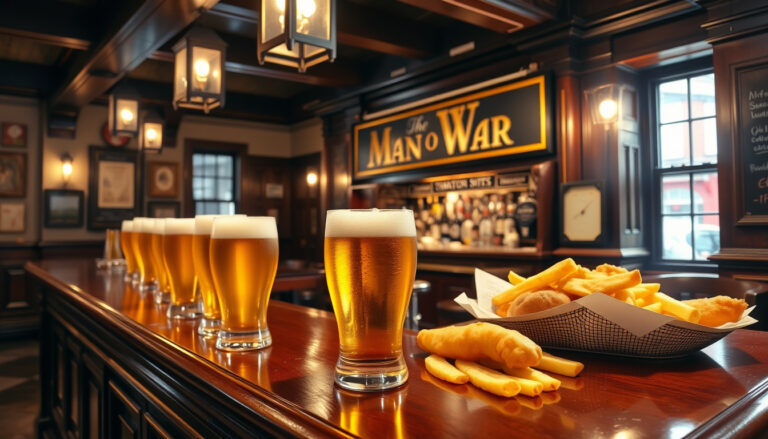 Man O War Pub – Classic Spot for Beers and Bites
 AXA Insurance Telephone Number: Call Customer Service Ireland
 Best 65 inch smart TV Ireland 2026 buying guide and reviews
 Is Olive Oil Good for You? Health Benefits & Downsides
 Easy Argentinian Recipes at Home: 5 Authentic Dishes