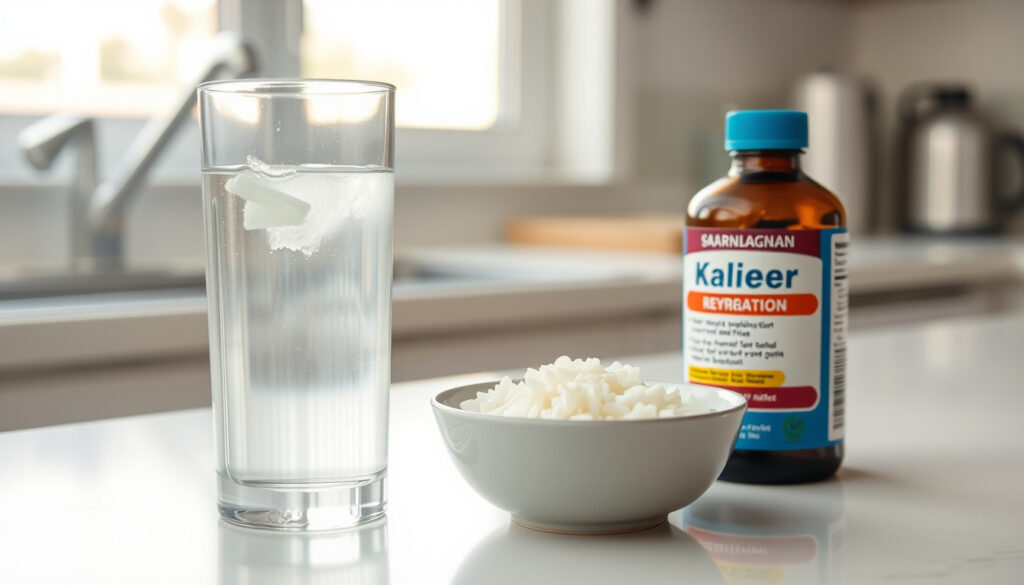
How to Get Rid of Diarrhoea: Fast Relief and Treatment
Anyone who has ever been caught off‑guard by a sudden bout of diarrhoea knows it’s more than an inconvenience—it can derail your whole day. This step‑by‑step guide walks you through what actually works (rehydration, careful diet, and knowing when to reach for over‑the‑counter help) and, just as importantly, when to put down the home remedies and call a doctor.
Global annual cases: 1.7 billion (WHO) ·
Child mortality under 5: 525,000 deaths/year (WHO) ·
ORS effectiveness: Reduces dehydration mortality up to 93% ·
Typical acute duration: 1‑3 days
Quick snapshot
- Drink oral rehydration solution or clear fluids (World Health Organization)
- Take small sips if nauseated (World Health Organization)
- Avoid sugary drinks and alcohol (World Health Organization)
- Eat bland, low‑fiber foods (bananas, rice, toast) (Frimley Health NHS Foundation Trust)
- Avoid dairy, fried foods, and artificial sweeteners (Frimley Health NHS Foundation Trust)
- Resume normal diet gradually (Frimley Health NHS Foundation Trust)
- Most acute diarrhoea resolves in 1‑3 days
- See a doctor if it persists beyond 48 hours
- Monitor for dehydration signs after 24 hours
- Rest and continue hydration until stools return to normal (Nottinghamshire APC)
- Gradually reintroduce solid foods (Nottinghamshire APC)
- Stay off work/school until 48 hours symptom‑free (Nottinghamshire APC)
These four key facts summarise the foundation of diarrhoea management—rehydration, cause, risk, and recommended treatment.
| Fact | Value |
|---|---|
| Average duration of acute diarrhoea | 1‑3 days |
| Common cause | Viral infection (norovirus, rotavirus) |
| Dehydration risk | Highest in children under 5 and elderly |
| Recommended rehydration | Oral rehydration solution (ORS) per WHO (WHO) |
| ORS mortality reduction | Up to 93% (NCBI Bookshelf / WHO guideline summary) |
| Antibiotics for viral diarrhoea | Not effective (Mayo Clinic) |
What stops diarrhea fast?
When you want relief quickly, the priority isn’t a pill—it’s fluid. The body loses water and electrolytes faster than you can replace them with plain water alone.
What stops liquid diarrhea fast?
- Oral rehydration solution (ORS) replaces fluids and electrolytes efficiently (World Gastroenterology Organisation).
- Sip slowly—200 ml after each loose stool (MyHealth Devon NHS). If vomiting occurs, wait 5‑10 minutes then restart.
- Avoid sports drinks, fruit juice, and soda—they can worsen diarrhoea.
Most adults with acute diarrhoea don’t need a trip to the pharmacy—they need a glass of ORS. Delaying rehydration increases the risk of hospitalisation, especially for older adults.
What stops diarrhea fast immediately?
- Loperamide (Imodium) can reduce the frequency of watery stools (Mayo Clinic).
- Do not use loperamide if you have fever or bloody stool—it may mask a more serious infection (NCBI Bookshelf / WHO guideline summary).
- Bismuth subsalicylate (Pepto‑Bismol) may also help in non‑dysenteric cases (World Gastroenterology Organisation).
What stops diarrhea fast naturally
- Probiotics (e.g., Lactobacillus) may shorten duration by about 24 hours (World Gastroenterology Organisation).
- Ginger and peppermint may ease nausea, but evidence for stopping diarrhoea is mixed.
- Avoid “detox” teas and activated charcoal—they lack strong evidence and can interfere with medications.
The implication: Immediate relief is about volume replacement first, medicine second. Loperamide can buy you a few hours of fewer trips to the bathroom, but it doesn’t treat the cause.
How do you harden diarrhea fast?
Firming up stool usually means changing what you eat—and what you don’t.
What foods help bind stool?
- Bananas, white rice, apple sauce, and toast (the classic BRAT principle) are low‑fiber and may help (Frimley Health NHS Foundation Trust).
- Boiled potatoes, plain crackers, and cooked carrots are also binding.
- Small, frequent meals are easier on the gut.
Does the BRAT diet work?
- The BRAT diet is widely recommended but limited in evidence (NCBI Bookshelf / WHO guideline summary). It’s safe for short‑term use (24‑48 hours).
- Normal feeding should resume after 24 hours; withholding food for more than 4 hours is considered inappropriate (World Gastroenterology Organisation).
What should I avoid eating?
- Dairy products, fatty or fried foods, spicy dishes, caffeine, and alcohol (Frimley Health NHS Foundation Trust).
- Artificial sweeteners (sorbitol, xylitol) can worsen diarrhoea.
- High‑fibre foods (whole grains, nuts, seeds) may be too stimulating during the acute phase.
The pattern: What you don’t eat matters as much as what you do. The BRAT diet is a safe bridge, not a long‑term solution.
What does diarrhea flush out?
Diarrhoea isn’t just water—it carries a lot more out of your body than you might think.
Does diarrhea flush out stomach bugs?
- Yes—diarrhoea is a defense mechanism to expel pathogens (Mayo Clinic).
- However, it does not guarantee the bug is completely cleared; viral gastroenteritis still runs its course over 1‑3 days.
- Most bacterial causes do not require treatment, but antibiotics are not helpful against viruses (Mayo Clinic).
Does diarrhea flush out toxins?
- While it can help remove some toxins (e.g., in food poisoning), the body has better detox systems (liver, kidneys).
- Relying on diarrhoea as a “cleanse” is unsafe—dehydration and electrolyte loss can outweigh any theoretical benefit.
What about electrolytes?
- Diarrhoea flushes out sodium, potassium, bicarbonate, and water—critical for nerve and muscle function.
- ORS replaces these electrolytes; plain water alone cannot (WHO).
- Electrolyte imbalance can cause muscle cramps, fatigue, and heart rhythm disturbances.
The catch: Letting diarrhoea “flush out” an infection is natural, but the cost of unchecked dehydration is too high. Keep electrolytes coming in while the body clears the bug.
What settles a really bad diarrhea stomach?
When cramping and nausea join the party, you need more than just fluid.
What helps nausea and cramping?
- Ginger tea or peppermint tea may soothe nausea, though evidence for diarrhoea itself is mixed.
- Rest and small sips of clear liquids. If vomiting occurs, wait 5‑10 minutes before drinking (MyHealth Devon NHS).
- Avoid NSAIDs (ibuprofen, naproxen) for pain—they can irritate the gut. Acetaminophen (paracetamol) is safer.
Can I take pain relief?
- Paracetamol is acceptable for fever or headache.
- Avoid ibuprofen and aspirin; they increase gastrointestinal bleeding risk, especially if the diarrhoea is due to an infection.
Home remedies for upset stomach
- A heating pad for abdominal pain.
- Peppermint oil capsules (enteric‑coated) may reduce cramping.
- Yogurt with live cultures? Limited evidence, but not harmful if low in lactose.
What this means: Nausea and cramping are the body’s signals to slow down. Treat the symptoms gently—no NSAIDs, no harsh herbs—and prioritise fluid intake.
Vomiting plus diarrhoea doubles dehydration risk. If you cannot keep down even small sips of ORS for more than 6 hours, seek medical evaluation.
When to worry about diarrhea in adults?
Most diarrhoea gets better on its own, but a few warning signs should send you to the clinic.
How long is too long for diarrhea?
- Adults: seek medical care if diarrhoea persists >48 hours.
- Children and elderly: >24 hours requires evaluation.
- Chronic diarrhoea (>4 weeks) requires full medical work‑up.
What are red flag symptoms?
- Blood in stool (dysentery) (NCBI Bookshelf / WHO guideline summary).
- High fever (>38.5 °C) or severe abdominal pain.
- Signs of dehydration: dry mouth, dark urine, dizziness, reduced urination.
- Altered mental status, confusion, or severe weakness (Infectious Diseases Society of America).
When should I see a doctor?
- If you are over 60 or have underlying health conditions (diabetes, kidney disease, IBD).
- If you have recently travelled to a region with poor sanitation.
- If you are unable to tolerate oral fluids or have persistent vomiting.
- Frail older adults and people on immunosuppressants should seek ORS advice early (MyHealth Devon NHS).
For adults experiencing a sudden episode, the choice is simple: hydrate with ORS, rest, and wait 48 hours. If symptoms persist or red flags appear, it’s time to see a doctor.
What the evidence says: confirmed facts vs. unclear remedies
Confirmed facts
- Diarrhoea caused by a virus resolves without antibiotics (Mayo Clinic).
- ORS is effective for rehydration (WHO).
- Probiotics may reduce duration by ~24 hours (World Gastroenterology Organisation).
What’s unclear
- Efficacy of BRAT diet — limited evidence.
- Benefit of activated charcoal — not supported.
- Role of yogurt with live cultures — mixed data.
Expert perspectives on diarrhoea self‑care
“Usually, there is no specific cure. You need to let the illness run its course. Drink plenty of liquids to make sure you do not become dehydrated.”
HSE (Ireland) guideline
“Drink plenty of water and other electrolyte‑balanced fluids. Choose foods that can firm your stools.”
Cleveland Clinic
Related reading: Signs of Colon Cancer: 7 Early Warning Symptoms and Red Flags · Pain in Right Side of Stomach: Causes, Organs & Red Flags
Frequently asked questions
Is it safe to take Imodium for diarrhea?
Yes, loperamide (Imodium) is safe for non‑dysenteric watery diarrhoea in adults. Do not use if you have fever, bloody stool, or suspected bacterial infection. Consult a doctor if symptoms persist >48 hours.
Can diarrhea be a symptom of COVID‑19?
Yes, gastrointestinal symptoms including diarrhoea have been reported with COVID‑19. If you have other symptoms (fever, cough, loss of taste), test as per your local health authority.
What foods should I avoid when I have diarrhea?
Avoid dairy, fatty or fried foods, caffeine, alcohol, artificial sweeteners, and high‑fibre foods until stools normalise. Stick to bland, low‑fiber options like bananas, rice, and toast.
Are probiotics helpful for diarrhea?
Probiotics may shorten the duration of acute diarrhoea by about 24 hours. The effect is modest but safe. Choose strains like Lactobacillus rhamnosus GG or Saccharomyces boulardii.
What is the difference between acute and chronic diarrhea?
Acute diarrhoea lasts a few days (usually 1‑3) and is often caused by infections. Chronic diarrhoea persists for 4 weeks or more and may indicate an underlying condition like IBS, IBD, or malabsorption.
Can I drink milk if I have diarrhea?
It’s best to avoid milk during the acute phase because many people temporarily lose the ability to digest lactose. Once symptoms improve, you can reintroduce it gradually.
Does diarrhea always mean infection?
Not always. Other causes include food intolerance, medication side effects (e.g., antibiotics), stress, and chronic conditions like IBS. If diarrhoea is persistent or recurrent, a medical evaluation is warranted.
For adults experiencing a sudden episode, the choice is simple: hydrate with ORS, rest, and wait 48 hours. If symptoms persist or red flags appear, it’s time to see a doctor.
More related posts
 People’s Republic of Cork: Meaning, GAA Teams & Culture
 Latroupe Jacobs Inn Dublin – Complete Venue and Bar Guide
 Real Madrid Jersey 25/26: Price, Home Kit & Buy Guide
 177cm in Feet and Inches – Conversion and Height Guide
 Canker Sore on Tongue: Causes, Treatment & Fast Relief
 James McClean Net Worth – 2024 Salary at Wrexham
 Mario Badescu Drying Lotion: How to Use & Side Effects
 Portugal vs Ireland Tickets 2025: How to Buy & Match Info